Making Self Storage Work for You in Dewsbury
Find Out More →Getting real value from self storage in Dewsbury comes down to more than just picking a provider and handing over your belongings. It's about knowing what you're actually storing, understanding what you need from the space, and being clear about what you'll do with it while it's sitting there. Do that upfront, and the whole experience becomes genuinely useful rather than just expensive cupboard space.
What do you actually need to store?
Before you contact Self Storage Dewsbury or anyone else, be honest about what's going into the unit. This matters because it changes everything—the size you book, how you pack it, whether you need climate control, how often you'll need access.
Sit down and list the items. Not a vague 'furniture and boxes'—actually write it down. Sofa, dining table, eight moving boxes of books, winter tyres, bike, pram. This isn't admin for its own sake. You'll need this list to give an accurate size estimate, and you'll need it later to remember what's in there without opening every box. Life happens, and three months in you'll forget whether you stored the Christmas decorations or left them in the loft.
Think about what condition these items are in. Are they clean and dry before they go in? Are they in boxes already or loose? A leather sofa that's been sat in every day at home needs different care in storage than a clean one you've just inherited. Similarly, if you're storing anything with sentimental value, fragile items, or anything that matters, find out more about what protection options are actually available to you.
How much space will you really need?
Getting the size right is one of the most practical decisions you'll make, and it's worth getting it wrong once so you know for next time. Most people either book too small and spend their first visit reorganising, or too large and feel like they're wasting money.
A rough guide: a small bedroom's furniture—bed, wardrobe, chest of drawers—fits into a medium unit. If you're storing a full house or the contents of a larger home, you'll need bigger. But the real answer depends on your packing. Efficiently packed and boxed items take up far less space than the same stuff thrown in loose. If you haven't packed anything yet, that's fine—providers can help you estimate on the phone, and many offer free surveys where they'll come and look at what you're storing and tell you honestly what size you need.
Don't book size based on 'I might need extra space later'. Book for what you're actually storing now. Read more here on how pricing works so you can see what you'll actually be paying for the space you choose.
What questions should you ask before you book?
Once you've worked out what and how much, there are a few things worth asking any storage provider—including Self Storage Dewsbury—before you hand over money.
First: access. Can you get to your unit during the times you're likely to need it? If you work shifts, or you're juggling school pickups, a facility with limited opening hours won't help. Ask about their hours, whether there's 24-hour access if you need it, and whether you can access at weekends without hassle.
Second: security and insurance. How is the unit protected? Are there cameras, gates, staff on site? What happens if something gets damaged or goes missing? Does their standard insurance cover your items, or do you need to arrange your own? This isn't scaremongering—it's just due diligence. Dewsbury's had its share of flooding around the town centre and near the water courses, so if your items could be affected by damp or water damage, ask whether the facility has measures in place and what the protocol is in bad weather.
Third: flexibility. What's the contract? Can you leave whenever you want with a month's notice, or are you locked in for six months? What happens if your circumstances change faster than you expected?
Find out more about why more people in the area are using storage right now—it might give you some insight into how people like you are actually using the space.
How do you make the process smoother from day one?
Once you've booked, a few practical steps will save you time and frustration later.
Pack properly. Use uniform boxes where you can so they stack neatly and the unit stays organised. Label everything on at least two sides of the box so you can read it no matter how it's stacked. Take photos of valuable items before they go in—it's useful for insurance and for your own records. If you're storing furniture, take photos of the condition before it goes into storage too.
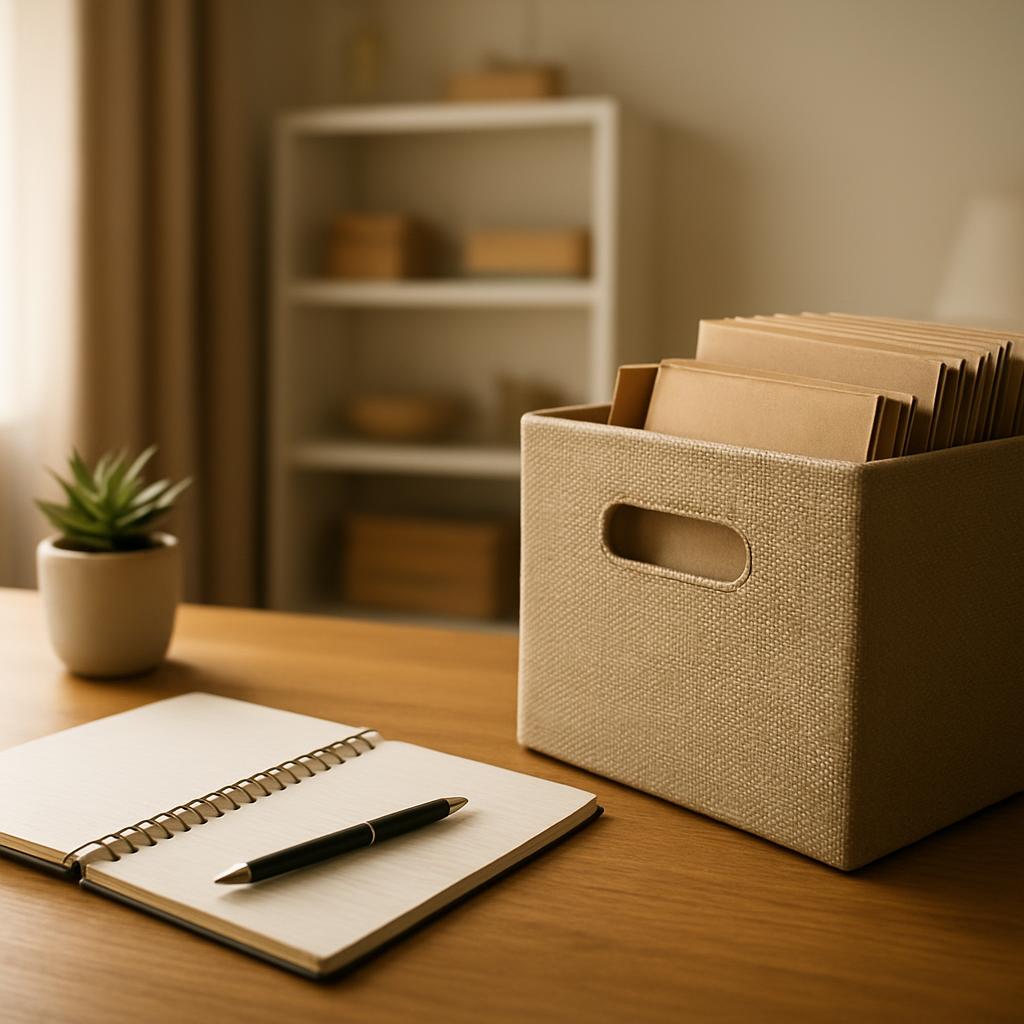
Create a simple inventory. A spreadsheet or even a handwritten list works: which boxes contain what, where they're positioned in the unit. You'll thank yourself when you need to find something without unpacking everything.
Keep the facility's contact details and your unit number somewhere easy to find. And if you're storing seasonal items or things you won't need for a while, set a reminder to check in on the unit every couple of months. A quick visit to make sure everything's as you left it and the environment inside is stable takes five minutes and gives you peace of mind.
Getting the best from self storage isn't complicated, but it does mean thinking through what you're actually doing before you start. When you do, Self Storage Dewsbury can be genuinely useful—not just a band-aid solution, but proper space that works for you. Get in touch with them and work through these points together.
Looking for Self Storage near Dewsbury?
We have secure, flexible units available in the area. Get in touch with Self Storage Dewsbury today.
Find Out More →